How to write palmon showing her uvula digimon whisk fx prompt
Table of Contents
Remember when you first watched a Digimon transform on screen? That electric moment when Agumon became Greymon, or when Palmon evolved into Togemon with those expressive animations that made you laugh? Those weren’t just cool special effects—they were characters with personality bursting through every pixel.
Fast forward to today, and you’re holding something incredible: the power to create your own digital monsters using AI art generators and creative writing tools. But here’s where most creators hit a wall. You know exactly what you want—maybe it’s a plant-type creature with vibrant flowers and an enthusiastic personality, or a mechanical dragon with glowing circuits—but translating that vision into words that AI understands? That’s the real challenge.
You’re not alone in this struggle. Every day, thousands of Digimon fans attempt to generate their perfect character, only to get generic monsters that could belong to any franchise. The difference between “another creature” and “definitely a Digimon” comes down to one thing: how you structure your prompt.
This guide will transform how you approach character creation, giving you practical techniques that work across multiple AI platforms while keeping everything family-friendly and safe for work.
Understanding What Makes Characters Truly “Digimon-Style”
Before you type a single word into your AI generator, you need to grasp what separates Digimon from every other monster franchise out there.
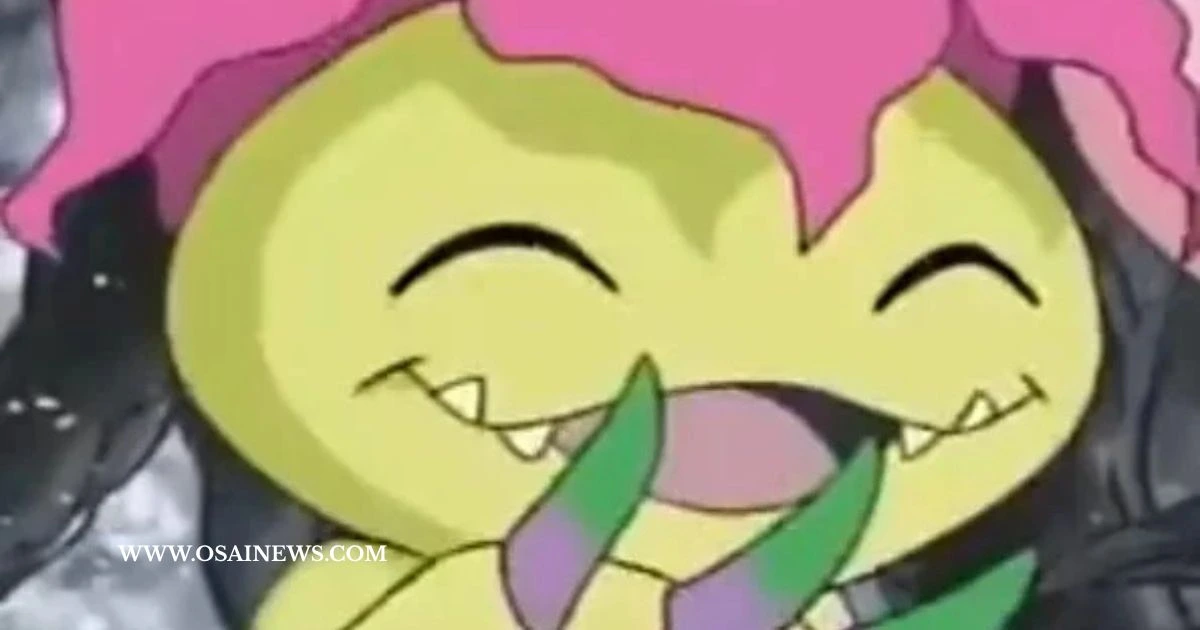
Digimon aren’t just animals. They’re not purely mechanical robots either. Each creature represents a unique fusion of organic life, digital technology, and fantastical elements. This hybrid nature defines the entire aesthetic. When Palmon shows her uvula during those exaggerated comedic expressions in the anime, it’s not random—it’s part of that distinctive animation style that makes Digimon feel alive and expressive.
Your character needs three core elements:
The biological foundation gives your Digimon its base form. Plant-types sprout vines and petals. Reptilian creatures display scales and claws. Mammalian designs feature fur textures and fangs.
The digital aspect reminds viewers these are creatures born from data. Even organic-looking Digimon often have geometric patterns, glowing circuits, or crystalline structures incorporated into their design.
The personality component shines through visual features. Large, expressive anime-style eyes. Exaggerated mouths that can shift from determined grimaces to wide, enthusiastic grins. Body language that tells stories before a single word of dialogue.
palmon showing her uvula digimon whisk fx prompt :
Essential Components Every Prompt Needs
Writing effective prompts isn’t about cramming every detail into one massive sentence. You’re building a clear picture using strategic keywords that guide the AI toward your vision.
Start with your foundation layer. Specify the evolution stage immediately—Rookie, Champion, Ultimate, or Mega. This single word tells the AI how complex and detailed your design should be. A Baby-stage Digimon needs simplicity and cuteness. A Mega-level requires intricate details and powerful presence.
Next, declare the type. Plant-type, reptilian, mechanical, avian, or hybrid combinations. This establishes your creature’s fundamental nature.
Layer in physical characteristics systematically. Don’t just say “green creature.” Paint the specifics: “vibrant emerald skin with leaf-pattern textures” gives the AI concrete visual information. When describing a plant-type similar to Palmon, you might write “tropical flower petals forming hair-like crown, vine appendages with leaf-tipped fingers, pink blossom accent on head.”
Facial expressions separate memorable characters from forgettable ones. Digimon excel at conveying emotion through exaggerated features. Specify whether you want “wide enthusiastic smile showing excitement,” “determined eyes with focused expression,” or “playful grin with tongue visible.” These details inject personality directly into the design.
For comedy-focused or particularly expressive characters, don’t shy away from anatomical details that appear in actual anime. Terms like “mouth wide open in surprise, uvula visible for comedic effect” or “laughing expression with exaggerated features” mirror the expressive animation style found throughout Digimon series. Just ensure you frame everything within appropriate, family-friendly context.
Platform-Specific Strategies That Actually Work
Different AI tools interpret prompts differently. What works perfectly in Stable Diffusion might produce disappointing results in Midjourney. You need tailored approaches.
For Stable Diffusion and similar tools, structure prompts as comma-separated keywords. Place your most important elements first. Use parentheses to increase weight on crucial features: “(plant-type Digimon:1.3), tropical flower design, (friendly expression:1.2), vine arms.” This weighting system tells the AI which elements matter most.
Your negative prompt matters equally. Include “NOT Pokemon style, NOT realistic photo, NOT inappropriate, NOT NSFW” to steer away from common mistakes.
Midjourney responds better to natural language. Write descriptive sentences rather than keyword lists: “An original plant-type Rookie Digimon with a tropical flower theme, featuring pink blossom petals as hair and friendly vine-like arms, drawn in classic Digimon Adventure anime style with vibrant colors and expressive features.”
Add parameters strategically. Use “–ar 3:4” for character portraits, “–style raw” for more controlled results, and “–q 2” for higher quality outputs.
ChatGPT and character generators need personality descriptions alongside physical traits. These platforms excel when you provide behavioral context: “Cheerful and optimistic plant-type Digimon who loves making friends. Expresses enthusiasm through animated gestures and wide smiles. Protective of smaller Digimon but sometimes overly trusting of strangers.”
Avoiding the Five Fatal Mistakes
You can follow every technique perfectly and still generate disappointing results if you fall into these common traps.
Vagueness kills creativity. “Cool Digimon” tells the AI absolutely nothing useful. A Dragon-type Champion clad in metallic blue armor, accented with flames, standing in a bold, battle-ready pose.” Every adjective should add specific visual information.
Feature overload creates chaos. Trying to combine dragon wings, plant vines, mechanical arms, and elemental fire in one Rookie-level design overwhelms both the AI and the viewer’s eye. Pick two or three complementary elements maximum. Save complexity for higher evolution stages where it makes logical sense.
Style confusion produces generic results. If you don’t specify “Digimon style” or “digital monster aesthetic,” your AI might default to Pokemon, Yu-Gi-Oh, or generic fantasy creature designs. Always anchor your prompt with clear franchise identification.
Forgetting the SFW disclaimer invites problems. Even innocent prompts can occasionally generate unexpected results. Protect yourself by including “safe for work, family-friendly, appropriate for children’s animation” in every prompt. This creates a safety buffer across all AI platforms.
Ignoring evolution logic breaks believability. A Rookie-level Digimon shouldn’t have twelve different weapons and full mechanical armor. That’s Mega-level complexity. Match your design intricacy to the stated evolution stage for authentic results.
Your Step-by-Step Prompt Crafting Process
Let’s walk through creating a complete prompt from concept to final execution.
Begin with your core concept. Decide: What evolution stage? What primary theme? What personality? Write these down before touching your AI tool. For example: “Champion-tier plant/fairy hybrid, bursting with bravery and energy.”
Build your base prompt in layers. Start simple, then add detail:
First draft: “Plant-type Champion Digimon, green and pink colors”
Second iteration: “Plant-type Champion Digimon, humanoid body with botanical armor, pink flower accents, green vine appendages, determined expression”
Final version: “Original Vaccine-type Champion Digimon, plant and fairy hybrid design, elegant humanoid body structure with reinforced petal armor and vine weapons, large expressive anime eyes showing determination, dynamic action pose, cherry blossom effects, vibrant pink and green color palette, Digimon Adventure animation style, professional character design, safe for work, family-friendly”
Test and refine ruthlessly. Generate your first attempt. Analyze what worked. Maybe the colors came out perfect but the pose feels stiff. Adjust one or two elements, not everything at once. Add “heroic battle stance” or “mid-jump action pose” to your next iteration.
Keep notes on which keywords produce your best results. Build a personal library of effective phrases you can mix and match for future projects.
Advanced Techniques for Standout Designs
Once you’ve mastered basic prompts, these advanced strategies will elevate your creations from good to exceptional.
Texture specification adds realism. Don’t just say “scales”—describe them: “overlapping reptilian scales with metallic sheen, catching light along edges.” For plant types: “soft petal texture with natural gradient from pink to white, vine appendages showing organic fiber detail.”
Environmental context enhances presentation. Including “standing in lush forest clearing” or “digital grid background with flowing data streams” grounds your character in the Digimon universe. Background elements shouldn’t overwhelm, but they provide context that makes your character feel purposeful rather than floating in void.
Reference specific Digimon series for style consistency. “Digimon Adventure animation style” produces different aesthetics than “Digimon Tamers art style” or “Digimon Ghost Game character design.” Research which series visual approach matches your vision, then specify it.
Create character sheets for comprehensive references. Request “character turnaround sheet, front view, side view, back view, white background” when you need your design from multiple angles. This proves invaluable for maintaining consistency across different poses and scenarios.
Keeping Everything Family-Friendly and Appropriate
Creating safe-for-work content isn’t about limiting creativity—it’s about targeting the adventure-focused, all-ages spirit that makes Digimon beloved worldwide.
Lead with positive intent. Frame your prompts around heroism, friendship, adventure, and growth. These themes naturally steer content toward appropriate territory while capturing authentic Digimon energy.
Be explicit about SFW requirements. Never assume the AI knows what you consider appropriate. Include multiple safety tags: “safe for work, SFW, family-friendly, appropriate for children, wholesome character design, adventure anime aesthetic.”
Focus on personality over physique. Emphasize expressive faces, dynamic action poses, and characterful gestures. When describing body structure, use functional terms related to the creature type rather than anything that could be misinterpreted.
Test with strict filters enabled. Most AI platforms offer content filtering options. Run your prompts through maximum safety settings during development. If something slips through that shouldn’t, you’ve identified which keywords need adjustment.
Bringing Your Vision to Life
You now hold the blueprint for creating compelling Digimon-style characters that capture everything you loved about the series. Whether you’re generating expressive plant-types with personalities as vibrant as their flowers, mechanical warriors bristling with digital weaponry, or entirely original fusions that push creative boundaries, these techniques give you the foundation for success.
The magic happens when you balance technical precision with creative passion. Your prompts need enough specificity to guide the AI, but enough flexibility to allow for unexpected creative flourishes. Some of your best designs will emerge from happy accidents when the AI interprets your vision in ways you hadn’t imagined.
Start experimenting today. Open your preferred AI art generator and create your first basic prompt. Generate it. Study the results. Identify one element to improve and try again. This iterative process isn’t tedious—it’s where creativity thrives.
Join online communities sharing Digimon prompt techniques. Learn from others’ successes and mistakes. Share your own discoveries. The collective knowledge of creators experimenting with these tools grows daily, and your contributions add value for everyone.
Your digital monsters are waiting to be born. Every Digimon that’s ever captured your imagination started as someone’s creative vision. Now it’s your turn to add your voice to the Digital World. What will you create?
Take action now: Pick one evolution stage. Choose one creature type. Write one prompt following the techniques you’ve learned here. Generate your first original Digimon and see where your creativity leads. The adventure begins with that first attempt—so start creating.